


Maker record
Herpa
Herpa is a German maker of miniature vehicles and model railway accessories. Founded in 1949, it began with products such as miniature trees, grass mats and scatter material. In 1978 it introduced 1:87 scale cars, followed by truck models in 1980; aircraft miniatures joined the range in 1988. Herpa’s vehicle models are known for small molded and engraved details, snap-fit construction and printed finishes. The company develops models of modern and historic vehicles for collectors, model railway use, advertising and merchandising.
- Founded
- 1949
- Countries
- Germany
- Locations
- Dietenhofen, Germany
- Founders
- Wilhelm Hergenröther
The story of Herpa
Wilhelm Hergenröther established Herpa in 1949 to produce patented ideas. The name came from “Hergenröther-Patente.” Early products included accessories for model railways, among them grass mats, miniature trees, scatter material, modular layouts and tunnel kits. The company also established a branch in Beilngries. In 1965, Herpa was taken over; Fritz Wagener continued the model railway accessories business under the Herpa name while producing plastic components for other industries under RIWA.
In 1978, Herpa presented its first five 1:87 scale car models at the Nuremberg Toy Fair. The cars were designed with fine details and snap-fit construction, allowing them to be assembled without adhesive. Herpa made its own molds and developed vehicle variants using interchangeable mold inserts. The first truck models followed in 1980. From 1988, the company generally worked from original vehicle data and used CAD technology to develop more detailed models. That year it also produced initial 1:500 scale aircraft models for presentation at the christening of a Lufthansa Boeing 737-300; the printed finish distinguished them from models decorated with decals. The former landscaping product line ended in 1988, and Herpa discontinued its photo articles in 1996, after which it concentrated on model vehicles. In 2009, Count Andreas zu Leiningen took over the company; the Wagner family left the business and its management.
In the digital museum
Explore the museum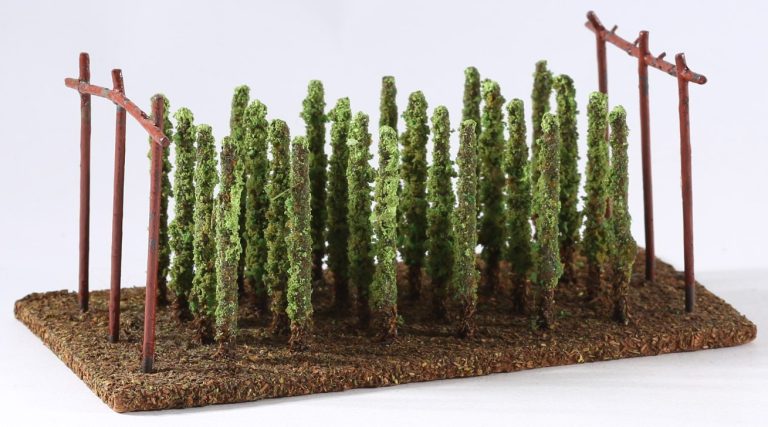
Original catalogues
 Herpa 1991 German catalogueFree account to read
 Herpa 1987 German catalogueFree account to read
 Herpa 1989 German catalogueFree account to read
 Herpa 1987 French catalogueFree account to read
 Herpa Collection 1987 German versionFree account to read
 Herpa 1975/76 Main Catalog (German)Free account to read
 Herpa catalogue 1987 German versionFree account to read
 Herpa catalogue 1998 German versionFree account to read